


Business management
Business automation that starts by removing steps, not adding software
Free consultationNDA on requestReply within one working day
Operations automation
Done by hand today
Automated
Trusted by global clients and organisations
















The situation
Work that exists because nobody removed it
Processes accumulate. A step added for a problem that no longer exists is rarely taken out again, and after a few years the process is mostly sediment.
- Approvals that wait in an inbox for days
- The same information copied between screens
- Reports assembled by hand every month
- Checks that exist because a system cannot enforce a rule
- Work queued behind one person who is on leave
- A step nobody can explain except that it has always been done
What it covers
What automation work covers
Process mapping
How the work actually runs, including the parts that happen in email and the workarounds nobody documented.
Simplification
Removing steps that exist because of history rather than need. This alone is frequently most of the benefit.
Workflow automation
Routing, approvals and handoffs that run without waiting on somebody to notice them.
System-to-system automation
Data moving between systems directly, rather than being carried by a person with a spreadsheet.
Exception routing
The unusual cases sent to a person, so the routine ones can complete without one.
Measurement
Before and after figures, so you can tell whether it worked rather than assuming it did.
How we work
How automation work runs
Simplify, integrate, automate, then measure. In that order. Applied to a process that should have been simplified first, automation just makes the wrong thing faster.
- 01
Map
Follow the work end to end, including the steps outside any system, and time them.
- 02
Simplify
Remove what should not be there. It is cheaper than automating it and it makes what follows simpler.
- 03
Automate what remains
Build the automation for the routine path, with exceptions routed to people rather than forced through.
- 04
Measure
Compare against the baseline taken at the start. If the time did not come back, say so and look again.
Outcomes
What you are left with
- Fewer steps in the process, not simply faster ones
- Routine work completing without a person having to start it
- Approvals that move at the pace of the business rather than the inbox
- Exceptions visible instead of buried in the queue
- Capacity returned to work that genuinely needs judgement
- A measured before and after rather than an assumed improvement
Platforms and tooling
What we work with
Platforms
- Power Automate
- Azure Logic Apps
- Camunda
- Custom workflow
Systems
- Dynamics
- Salesforce
- SAP
- Sage
- Xero
- Blackbaud
Methods
- APIs
- Webhooks
- Message queues
- Scheduled jobs
- Document processing
Named as platforms we work with, not as formal partnerships.
Questions we are usually asked
That is your decision, not a technical one, and it is worth being honest about internally before starting. Most of the organisations we work with are trying to absorb growth without hiring, or to move people off administration and onto work that needs judgement.
It varies enormously by process, which is why we would rather measure your actual work than quote a percentage. Anyone offering a figure before seeing the process is describing an average, not your organisation.
Usually not. Most administrative burden is repetitive rule-based work, which conventional automation handles more cheaply, more predictably and more auditably than a model. AI earns its place where language or judgement is genuinely involved.
It will, so automation should be built to be changed rather than set in concrete. That is also an argument for simplifying first — a shorter process has fewer places to break when the business moves.
Something high-volume, well-understood and low-risk. The first automation should prove the approach and build confidence, not be the hardest process in the organisation.
By taking a baseline before the change. Without one, the question is unanswerable and everyone falls back on impressions — which are generous immediately after a project and harsh six months later.
Talk to us
Talk to someone who has built this
Not a salesperson working from a form. Tell us what the problem looks like and someone who has delivered this kind of work will come back to you, usually within one working day.
Tell us what you need
No obligation, and nothing is shared outside Geecon Global.
Not sure where to start?
Where this usually connects
Digital process automation
Approvals, workflows and handoffs that currently sit in an inbox.
Learn moreBusiness analysis
Mapping how the work actually runs before anything is built.
Learn moreSystems integration
Making the systems you already own talk to each other.
Learn moreOperational systems
The systems that run the day-to-day work of the business.
Learn moreChange management
Getting a new system actually adopted rather than merely delivered.
Learn moreBespoke business applications
Software shaped around how you work, when nothing off the shelf fits.
Learn more
Related work
- Business community platform
A growth platform for half a million businesses
Manual work across the sales funnel reduced by approximately 75%, on the client assessment — enquiry handling, qualification, follow-up and scheduling that previously needed a person at each stage now run automatically.
Read the case study 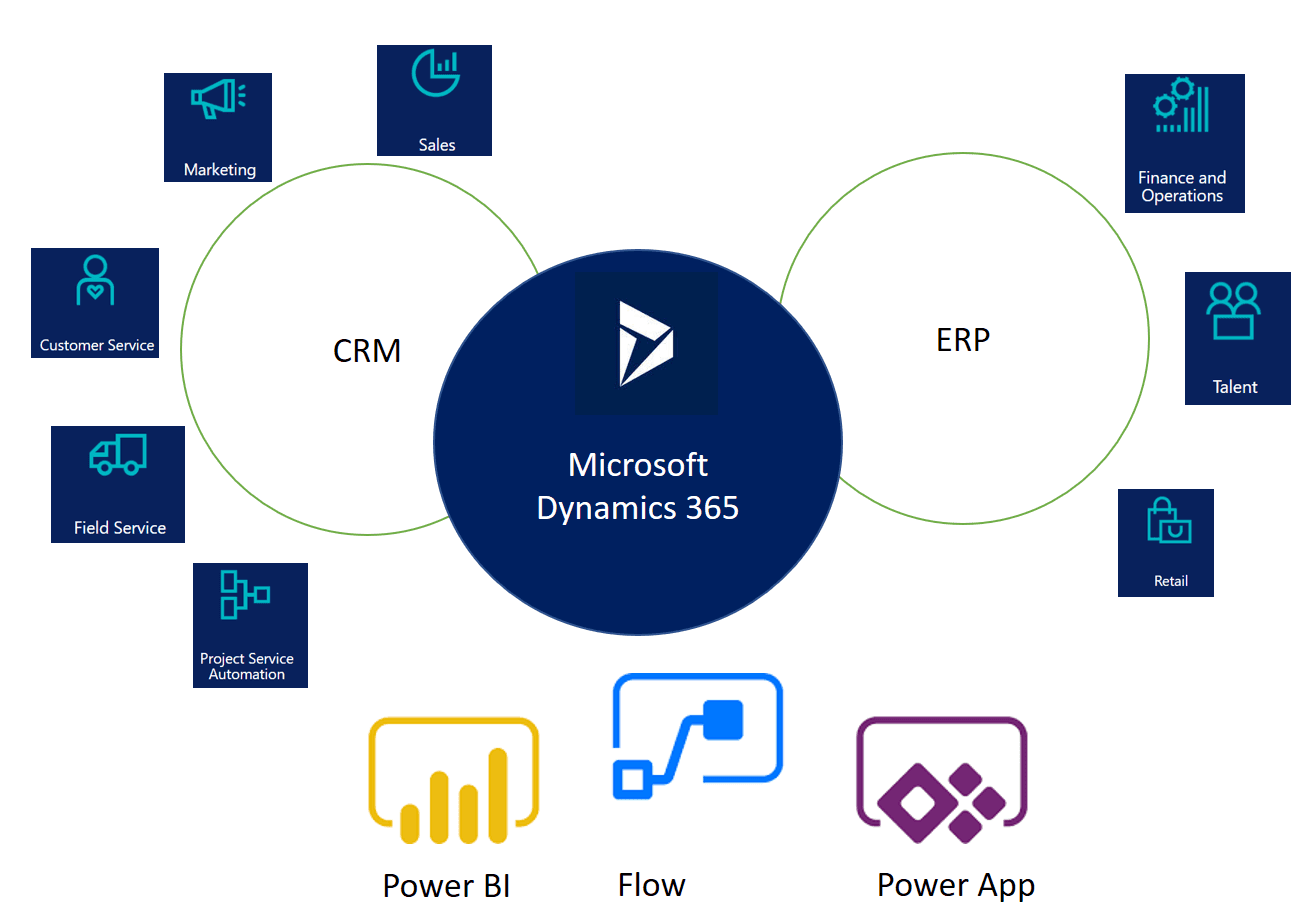 Membership
Transforming operations with Microsoft Dynamics 365
Operational Efficiency — Manual work reduced significantly with automated workflows.
Read the case study