Business application development
Bespoke CRM systems built around how you actually work
Free consultationNDA on requestReply within one working day
CRM migration
Migration
Go-live
Trusted by global clients and organisations
















The situation
Most organisations do not need a bigger CRM. They need one that fits.
Off-the-shelf CRM is excellent when your process resembles the one it was designed for. The trouble starts when it does not, and the workarounds begin.
- Customer information spread across spreadsheets, inboxes and someone's notes
- Paying for seats you do not use, and paying more every time you hire
- A process that has been bent to fit the software rather than the reverse
- The CRM and the finance system holding different versions of the same customer
- Reports rebuilt by hand every month because the system will not produce them
- Fields repurposed for something they were never meant to hold
What it covers
What a bespoke CRM covers
Scope varies by organisation. These are the parts that come up in most engagements.
Contact and account management
One record per customer, organisation or household, structured the way your business actually thinks about them rather than the way a vendor assumed.
Pipeline and process
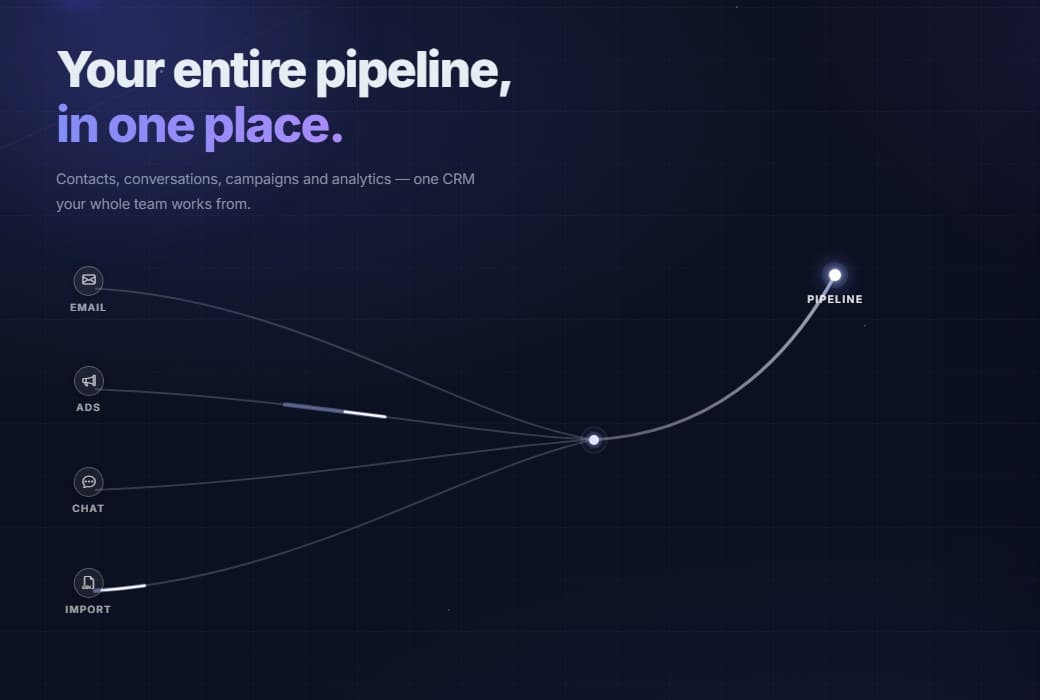
Stages, rules and handoffs that match how work really moves, including the steps that currently happen in email.
Integration with what you already run
Finance, payment, marketing and operational systems connected so information stops being carried between them by people.
Reporting and dashboards
Reports produced from live data rather than assembled from exports, so the monthly pack stops being a two-day job.
Roles, permissions and audit
Who can see and change what, recorded so it can be evidenced later — which matters as soon as you hold personal data.
Migration from the current system
Existing records, history and relationships moved across, with the mess dealt with rather than carried over.
How we work
How a CRM build runs
Process first. We map how the work runs before writing anything, because a CRM that automates a broken process just makes it faster.
- 01
Discover
Understand the objective and how the organisation actually runs — not the process diagram, the real one.
- 02
Map and simplify
Map the current process end to end, then remove the steps that exist because of history rather than need.
- 03
Design and build
Build in increments you can see and use, so the design is corrected while that is still cheap.
- 04
Migrate and adopt
Move the data, train the people who will use it, and stay involved after go-live rather than handing over a manual.
Outcomes
What you are left with
What a bespoke build can give you that a licensed product generally cannot.
- A system you own, with no per-user licence and no cost increase as the team grows
- A process that works the way your organisation does, rather than the reverse
- One reliable version of each customer, rather than several partial ones
- Reporting from live data instead of exports stitched together by hand
- The freedom to change it when the business changes, without waiting for a vendor roadmap
- The source code and the documentation, so you are not locked to one supplier
Platforms and tooling
What we build with, and connect to
A bespoke CRM rarely stands alone. Most of the value is in what it is joined up to.
Build
- .NET
- Java
- Node.js
- Python
- React
- Next.js
- SQL Server
- PostgreSQL
Platforms we integrate with
- Salesforce
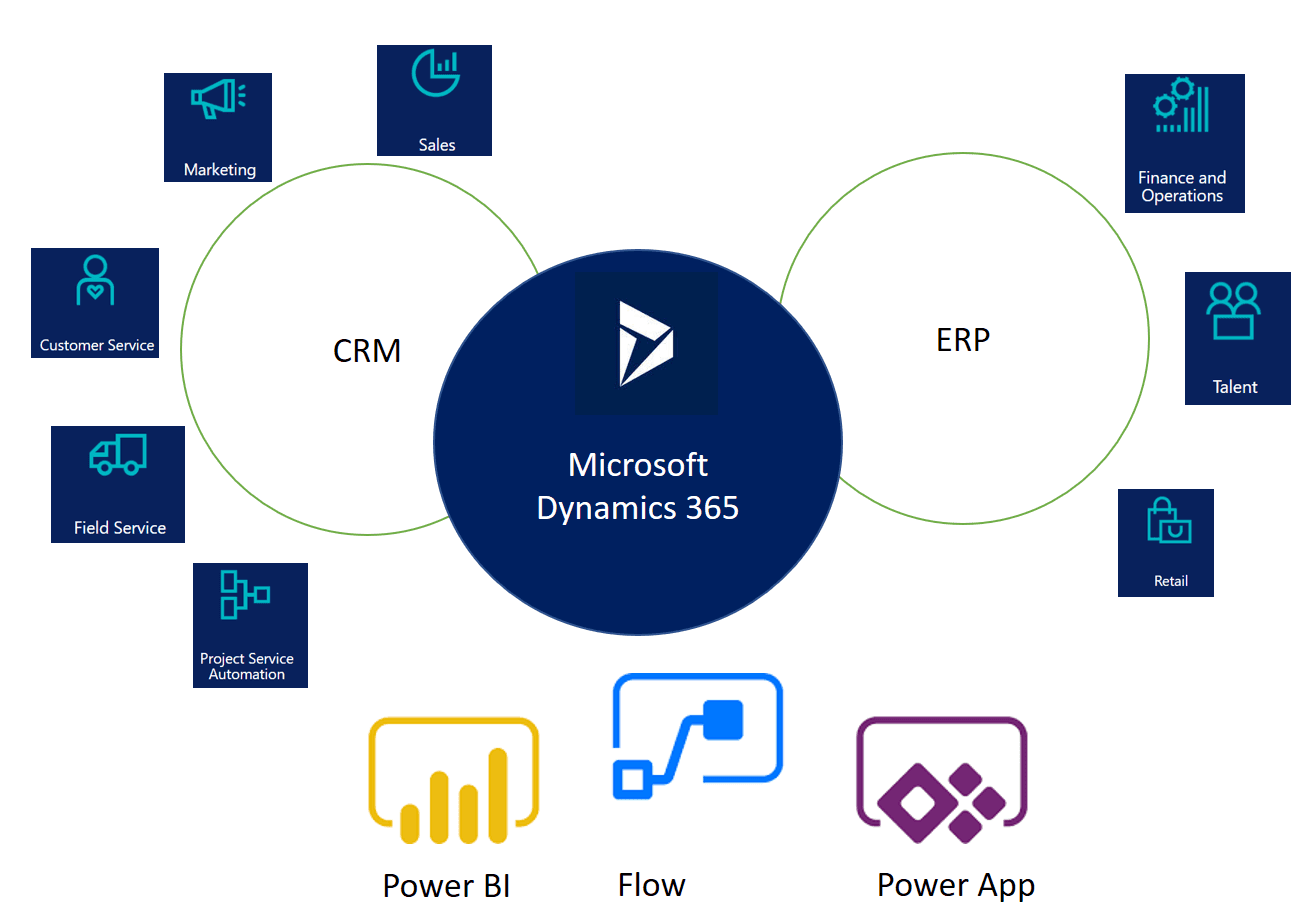
- Microsoft Dynamics
- Blackbaud
- HubSpot
- Oracle
- SAP
- Sage
- Xero
Hosting
- Microsoft Azure
- AWS
- Private cloud
- On-premise
Named as platforms we work with, not as formal partnerships.
Questions we are usually asked
The shape of the cost is different. A licensed CRM has a lower starting cost and a per-user fee that continues and grows with headcount. A bespoke system has a higher build cost and no licence, so the lines cross at some point — where they cross depends on your user numbers and how much configuration the licensed product would need. It is worth modelling over five years rather than one, and we will tell you if the off-the-shelf option is the better answer.
It depends on scope, integrations and how much data has to be migrated. We work in increments so you are using something real early rather than waiting for a single delivery at the end, and we will give you a scoped estimate after discovery rather than a number before it.
Often, yes — and it is frequently the better answer. Replacing a CRM is expensive and disruptive, and a great deal of what looks like a CRM problem is an integration problem. We would look at whether connecting what you have, or extending it, gets you there before recommending a replacement.
It gets migrated, including history and the relationships between records. Migration is where most of the risk in a CRM project sits, so it is planned and rehearsed rather than done once on the final weekend, and duplicates and gaps are surfaced for a decision instead of being silently carried across.
You do, including the source code. That is the point of a bespoke build — you are not renting access to it, and you are not dependent on one supplier remaining willing to work with you.
That is usually one of the first things we connect. A CRM and a finance system holding different versions of the same customer is one of the most common causes of the manual reconciliation work that eats finance capacity every month.
Yes. We work across the platforms organisations already run, including Salesforce, Microsoft Dynamics, Blackbaud, HubSpot and Oracle, and a good deal of our work is connecting those to the systems around them rather than replacing them. These are platforms we work with, not formal partnerships.
Roles, permissions, retention and audit trails are part of the build rather than something added afterwards, and we will work to your data protection requirements. We do not offer legal advice on compliance — that judgement stays with you and your advisers.
Talk to us
Talk to someone who has built this
Not a salesperson working from a form. Tell us what the problem looks like and someone who has delivered this kind of work will come back to you, usually within one working day.
Tell us what you need
No obligation, and nothing is shared outside Geecon Global.
Not sure where to start?
Where this usually connects
Systems integration
Making the systems you already own talk to each other.
Learn moreBespoke databases
For the operational data that has ended up in a spreadsheet.
Learn moreData migration
Moving data between systems without losing its history.
Learn moreCustomer and member portals
Self-service for the things people currently email or phone about.
Learn moreBusiness automation
Taking the repetitive administration out of a process.
Learn moreBespoke business applications
Software shaped around how you work, when nothing off the shelf fits.
Learn more